
Solar Magnetic LED Work Light Under Hood Positioning Guide
 Maya ChenContributing Editor
September 8, 2026 — The transition toward autonomous maintenance tools is accelerating as the Solar Magnetic LED Work Light displaces traditional corded shop lamps in residential garages. While the conventional wisdom says that more raw lumens always equate to better visibility, the reality of engine bay geometry often proves otherwise.
Effective under-hood illumination requires managing shadows rather than simply overpowering them with high-wattage glare. According to reporting by the Car Care Council, proper lighting is a fundamental safety requirement that reduces the risk of thermal burns and mechanical errors during routine inspections. The Solar Magnetic LED Work Light addresses these spatial constraints by utilizing high-strength neodymium magnets, allowing the unit to adhere to the underside of the hood or the interior side of the wheel well, effectively turning the vehicle's own structure into a light-reflecting canopy.
The 4-Point Engine Bay Deployment
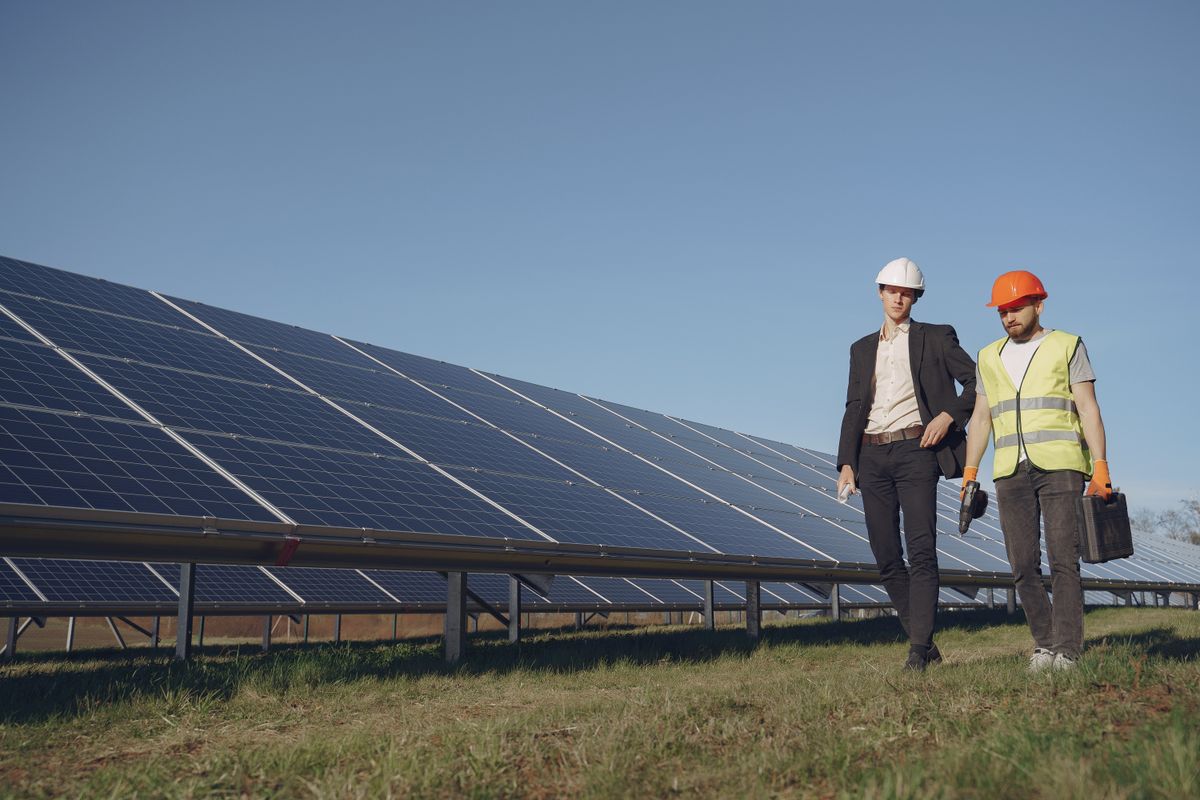
Photo by Gustavo Fring on Pexels
Maximizing the utility of a magnetic solar light requires a departure from the "center-mount" habit. Here’s the part nobody talks about: placing a single light source directly over the engine block creates deep shadows in the lower crevices where fluid leaks and frayed belts actually reside. Instead, the deployment should follow a perimeter strategy. First, secure the Solar Magnetic LED Work Light to the reinforced structural ribs of the hood, rather than the thin sheet metal, to ensure the magnetic bond remains stable under vibration. Second, angle the adjustable head to bounce light off the firewall; this secondary reflection fills in the gaps that direct beams miss. Run the math: a light providing 1000 lumens of output loses nearly 40% of its effective visibility if the beam angle is not adjusted to account for the dark, non-reflective surfaces of plastic engine covers and rubber hoses. A portable solar mechanic light offers the necessary versatility to switch between these mounting points without the friction of managing power cables. The integrated battery system is designed to sustain peak brightness throughout a standard three-hour repair window, provided the internal cells have been exposed to direct sunlight or high-intensity ambient light prior to the task. When using a solar powered under hood work light, the technician must also account for the thermal environment; the magnetic base should be kept away from the exhaust manifold to protect the internal lithium-ion circuitry. For larger scale tasks, integrating a portable solar flood light for mechanics alongside the primary magnetic unit creates a cross-lighting effect that eliminates the need for a handheld torch.
Expert tip: Use the magnetic base to mount the light on the strut tower when working on the lower belt drive; this low-angle illumination reveals hairline cracks in serpentine belts that top-down lighting frequently obscures.
Maintaining visibility in a cramped engine bay is a matter of strategic placement and power management. Relying on a portable solar flood light for mechanics ensures that even the deepest corners of the chassis are visible during complex rebuilds. I’ll change my mind when corded halogen lamps can match the heat dissipation and placement flexibility of modern solar-integrated magnets.
Shop Solar Magnetic LED Work Light.